
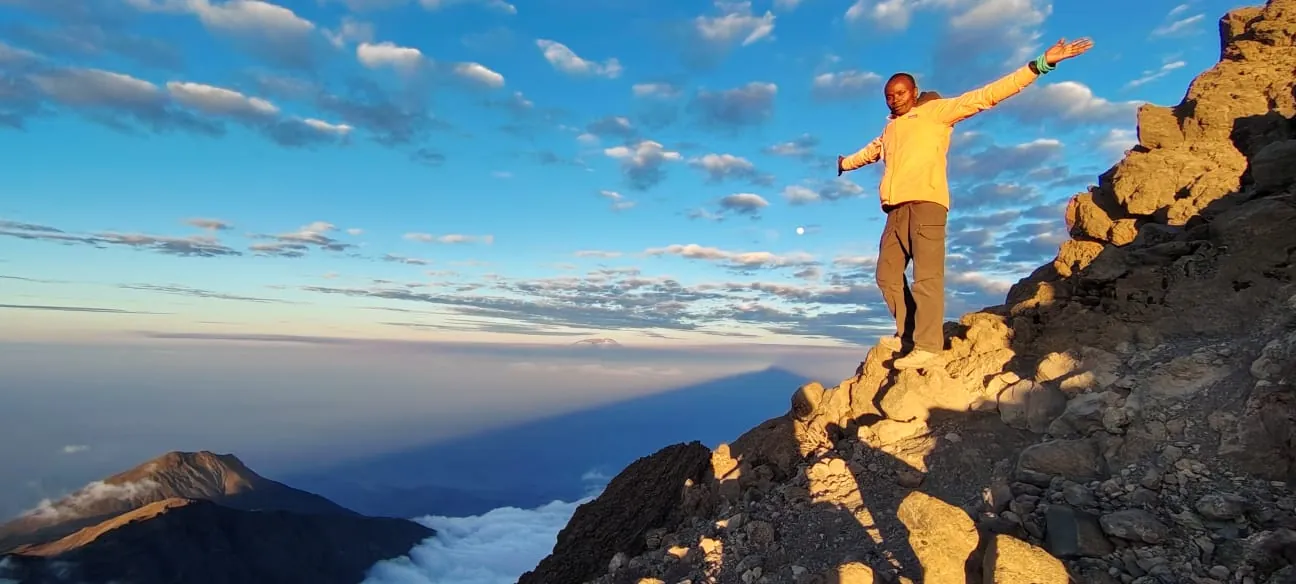
Climb Kilimanjaro and Mount Meru
Six routes to Uhuru Peak at 5,895m, operated by our sub-division Summit Seekers. No technical climbing, no ropes — only time, pacing and a strong crew.
Choosing your route
Almost everyone who fails on Kilimanjaro fails on altitude, not fitness. The single biggest thing you control is how many nights you spend on the mountain, which is why we push most first-time climbers towards the seven or eight-day Lemosho.
Every climb carries supplementary oxygen, a portable stretcher, a comprehensive first-aid kit and a pulse oximeter. Guides run health checks twice a day and record oxygen saturation and resting pulse for each climber.
5,895m
Uhuru Peak, the roof of Africa
7–8
Days recommended for acclimatisation
1:2
Guide to climber ratio
6
Routes we operate
What the climb is really like
01
Altitude is the main challenge
Kilimanjaro is a non-technical trek, but the rapid gain to 5,895 metres makes acclimatisation—not climbing skill—the central safety consideration.
02
Summit night is long and cold
Most teams leave around midnight, climb slowly through darkness to the crater rim, continue to Uhuru Peak, then descend for several more hours.
03
The route changes the experience
Lemosho favours scenery and gradual ascent, Machame is lively and varied, Rongai is quieter, Marangu uses huts, and Umbwe is steep and fast.
04
A slower itinerary helps
Extra nights allow more time to adapt to altitude. Fitness helps you walk, but it cannot guarantee acclimatisation.
Route comparison
Four climate zones in one climb
Conditions change quickly as you gain height. Pack for tropical rain, intense sun, wind and freezing summit temperatures on the same trip.
1,800–2,800 m
Rainforest
Warm, humid and sometimes muddy. Light layers and reliable rain protection matter.
2,800–4,000 m
Heath & moorland
Cooler air, exposed sun and large temperature swings between day and night.
4,000–5,000 m
Alpine desert
Dry, windy and cold, with strong ultraviolet exposure and little vegetation.
5,000–5,895 m
Arctic summit
Sub-zero temperatures, wind and low oxygen. Warm layered clothing is essential.
What is on the mountain with you
Certified guides
Every lead guide is licensed by Kilimanjaro National Park and holds current wilderness first-aid certification. Most have well over a hundred summits.
Porter team
Our porters carry gear, set up camp and prepare meals so you can focus on walking. Loads are weighed at the gate and wages follow KPAP guidelines.
Mountain cook
Three hot meals a day, cooked on the mountain, with vegetarian, vegan, halal and gluten-free diets handled as standard.
Medical kit and oxygen
Supplementary oxygen, a pulse oximeter, a portable stretcher and a full first-aid kit travel with every group, on every route.
Twice-daily health checks
Guides record oxygen saturation, resting pulse and how you slept, morning and evening, and adjust the plan on what they see.
Sleeping setup
Four-season tents with foam mattresses on all routes except Marangu, which uses the park huts, plus a mess tent and a private toilet tent.
Essential packing preview
Your final pre-departure pack includes a complete checklist and rental options. These are the items every climber should plan around first.
- Broken-in waterproof hiking boots
- Moisture-wicking base layers
- Warm mid-layer and insulated jacket
- Waterproof shell jacket and trousers
- Warm hat, sun hat and two pairs of gloves
- Four-season sleeping bag rated near −15°C / 5°F
- 25–35 litre daypack and waterproof liners
- Head torch with spare batteries
- Reusable water capacity of 3–4 litres
- Sunscreen, sunglasses and personal medication
Training and preparation
Train for time on feet
Aim for long walks over consecutive days rather than gym work. Six to eight hours of hiking with a day pack should feel manageable before you fly.
Buy nights, not fitness
The extra day on an eight-day route does more for your chances than any amount of training. Walk slowly, drink four litres a day.
Boots and layers
Break boots in at home. Everything else — down jacket, sleeping bag, poles, duffel — can be rented in Arusha at reasonable rates.
Pick your window
January to mid-March is warm and clear; June to October is dry and busy. Avoid April and May on every route except Rongai.
Treks you can book
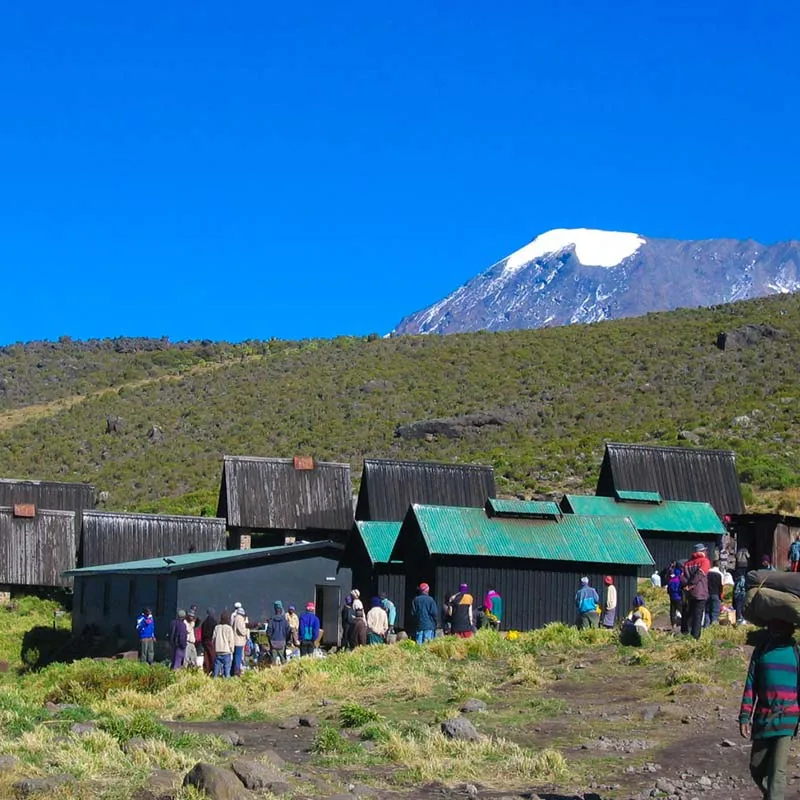
5 Days Marangu Route
Mount Kilimanjaro
The only route with hut accommodation, and the shortest way to Uhuru Peak.
STARTS FROM
$1,780
VIEW TRIP→
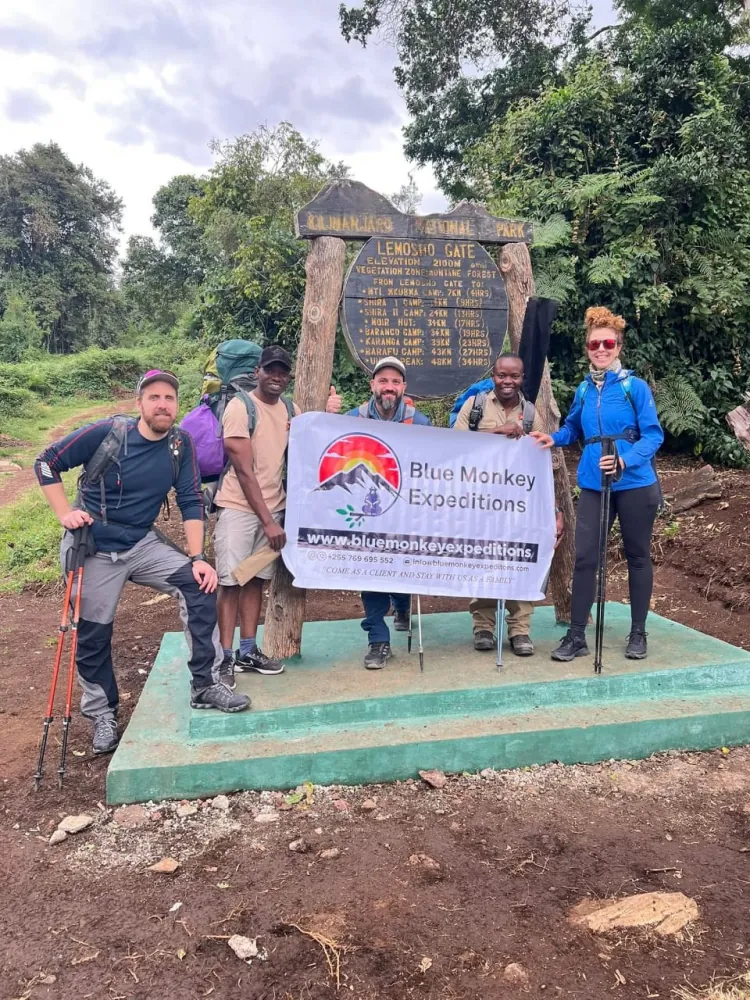
6 Days Machame Route
Mount Kilimanjaro
The Whiskey route — scenic, steep and the most popular way up the mountain.
STARTS FROM
$2,050
VIEW TRIP→
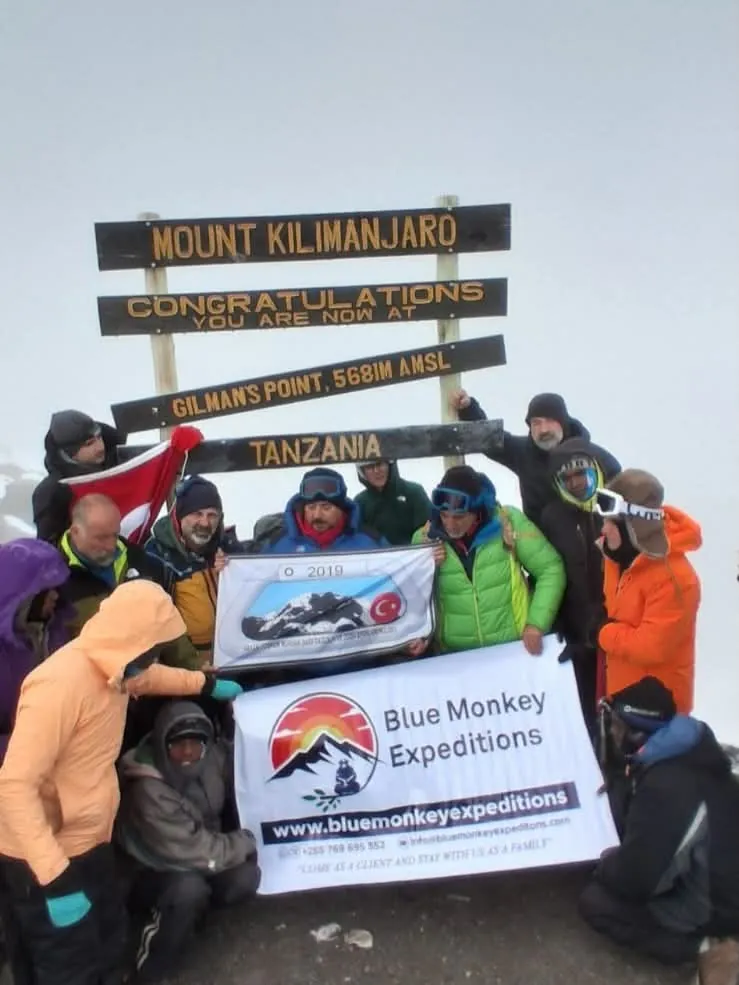
7 Days Lemosho Route
Mount Kilimanjaro
Quiet western approach with a gradual acclimatisation profile and varied scenery.
STARTS FROM
$2,380
VIEW TRIP→
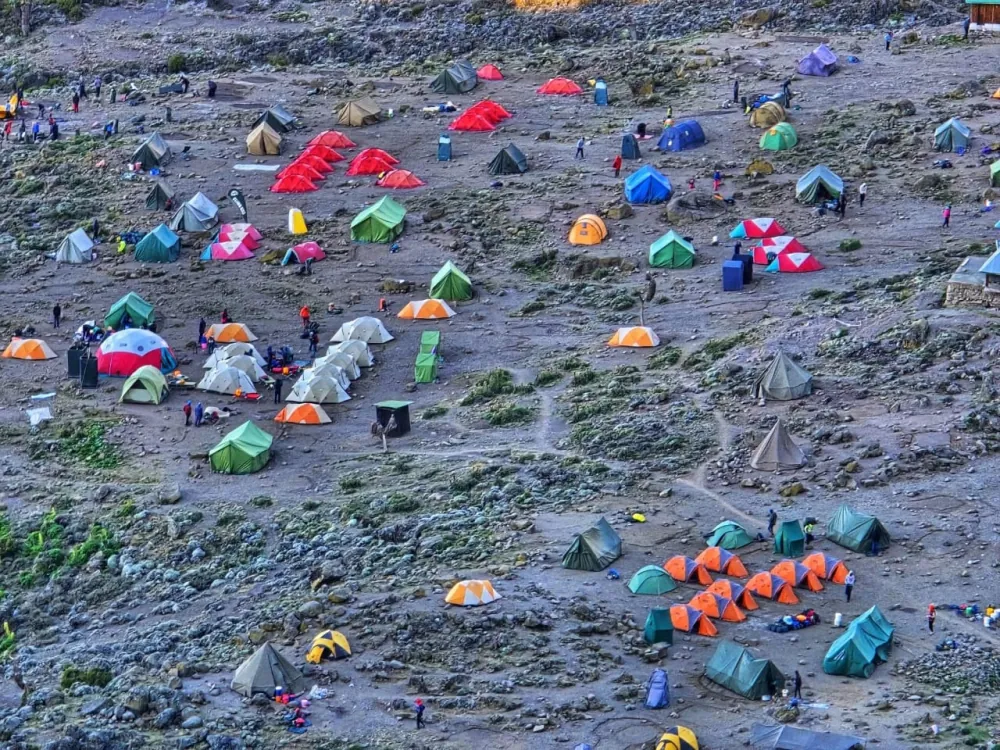
8 Days Lemosho Route
Mount Kilimanjaro
The scenic western approach with an additional day to support acclimatisation.
STARTS FROM
$2,590
VIEW TRIP→
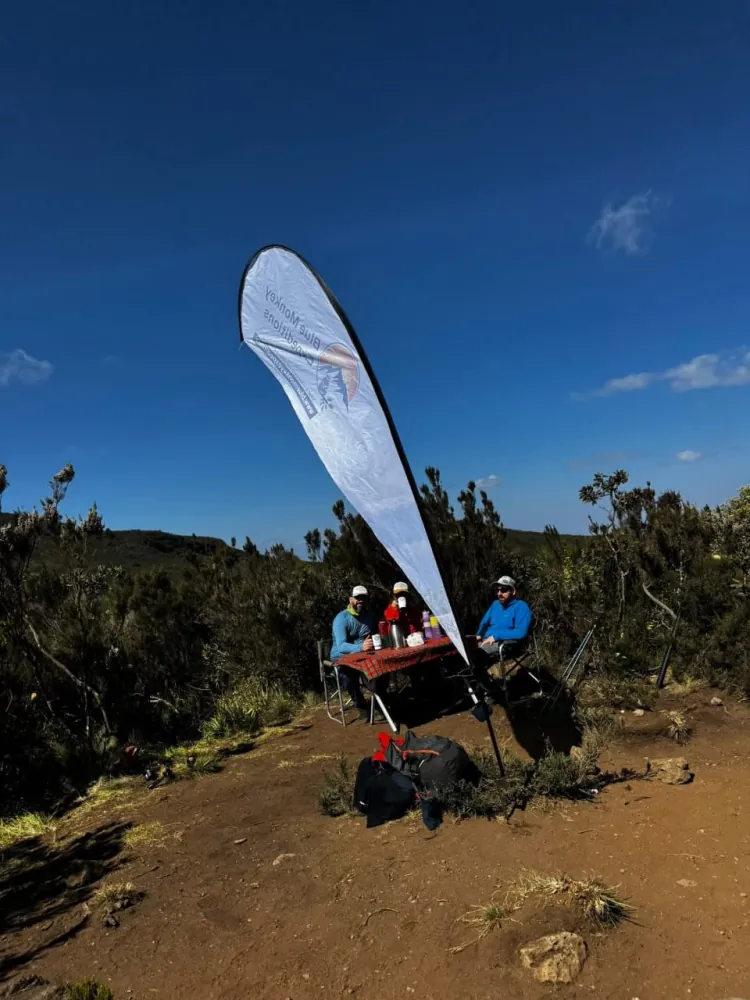
6 Days Rongai Route
Mount Kilimanjaro
The quieter northern approach, often drier during the rainy months.
STARTS FROM
$2,120
VIEW TRIP→
6 Days Umbwe Route
Mount Kilimanjaro
Short, steep and demanding. For experienced trekkers who acclimatise well.
STARTS FROM
$2,040
VIEW TRIP→
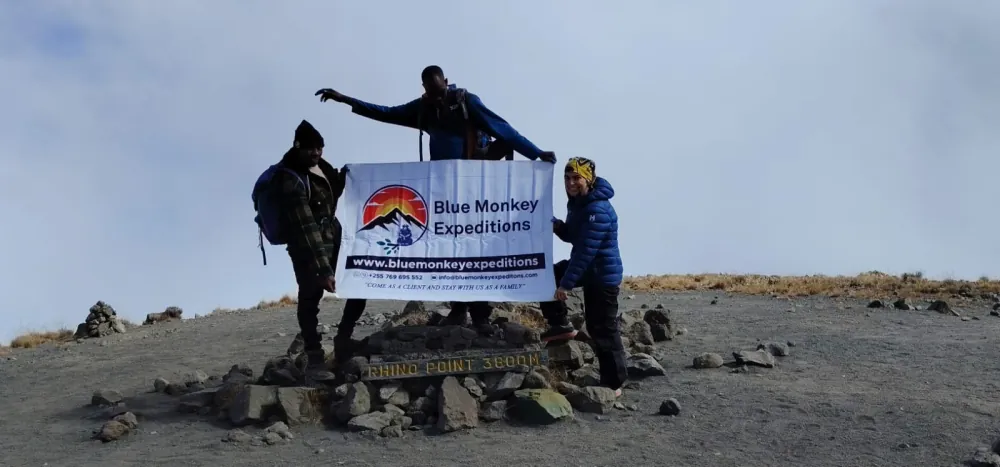
3 Days Mount Meru Trekking
Arusha National Park
A wildlife-rich climb to 4,562m, and the best warm-up for Kilimanjaro.
STARTS FROM
$1,100
VIEW TRIP→
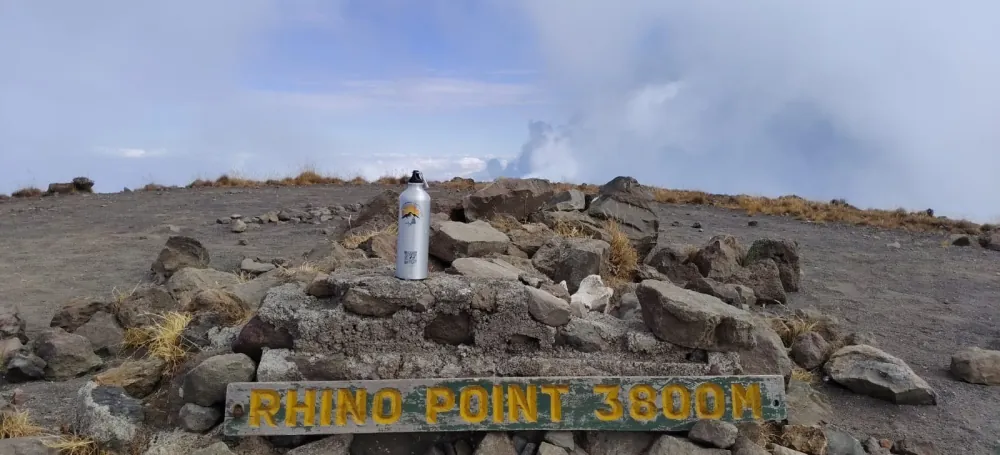
4 Days Mount Meru Trekking
Arusha National Park
Meru at a gentler pace, with an extra night on the mountain.
STARTS FROM
$1,200
VIEW TRIP→
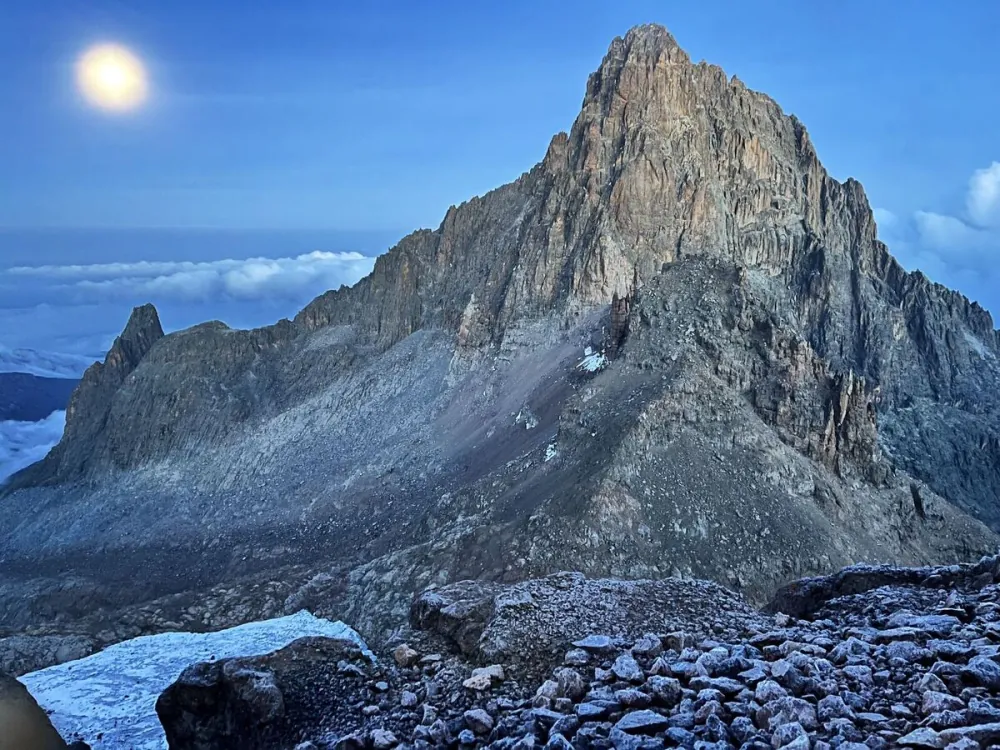
5 Days Mount Kenya Climbing – Sirimon to Chogoria Route
Mount Kenya
Experience the spectacular landscapes of Mount Kenya on a 5-day trekking adventure from Sirimon to Chogoria, culminating at Point Lenana, the mountain's highest trekking summit at 4,985 metres.
PRICE
On request
VIEW TRIP→
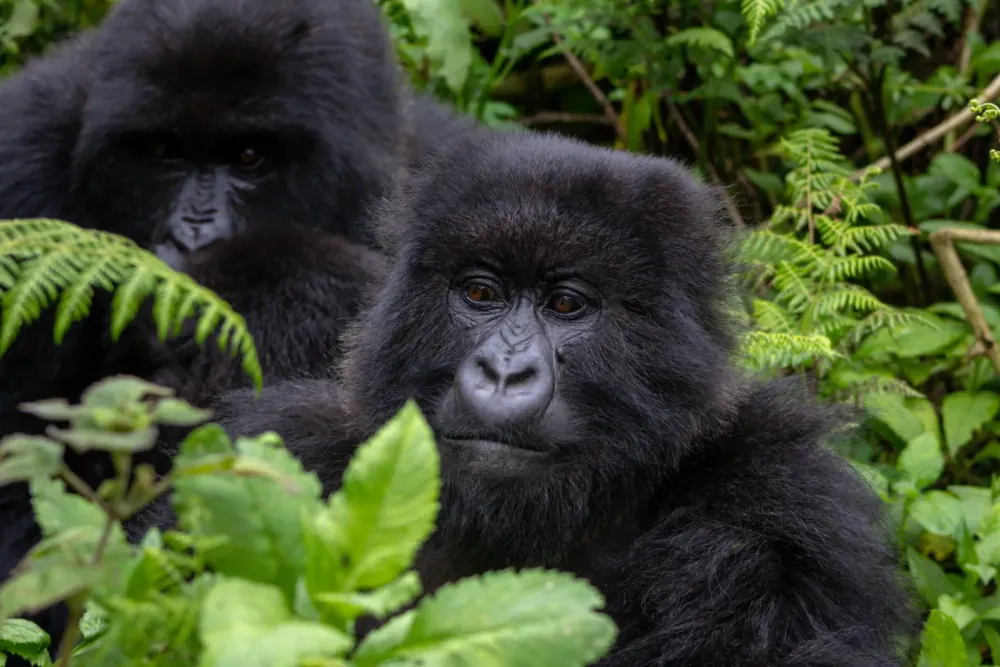
3 Days Volcanoes National Park Gorilla Trekking
Volcanoes National Park, Rwanda
A short, high-impact trip to track a habituated mountain gorilla family in Rwanda’s Volcanoes National Park, in the same Virunga highlands where Dian Fossey carried out her research.
PRICE
On request
VIEW TRIP→
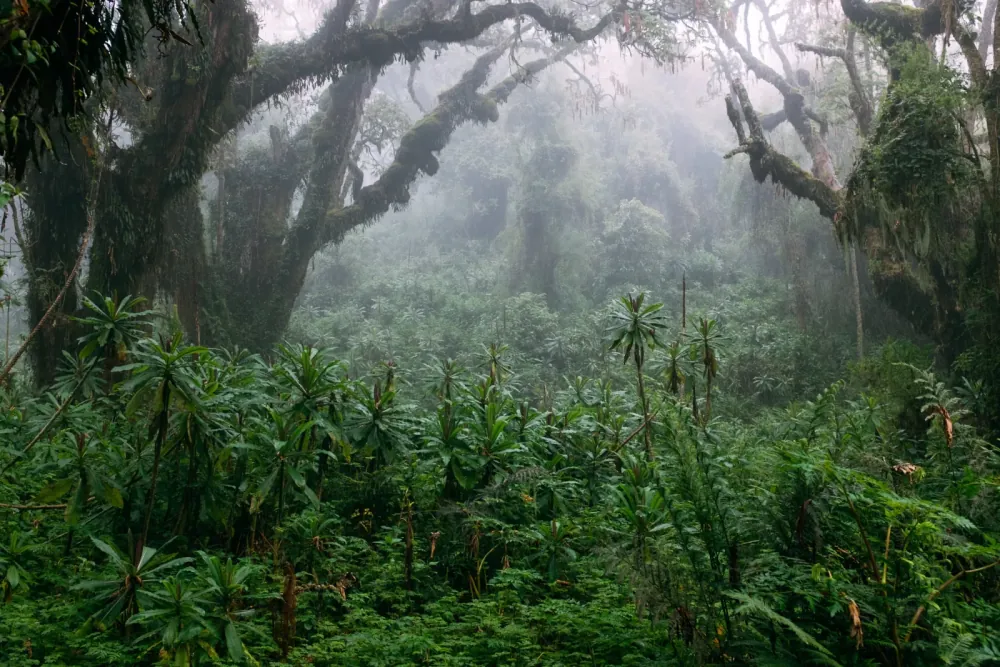
4 Days Bwindi Gorilla Trekking
Bwindi Impenetrable National Park, Uganda
Track a habituated mountain gorilla family through the ancient rainforest of Bwindi Impenetrable National Park, home to roughly half the world’s remaining mountain gorillas.
PRICE
On request
VIEW TRIP→