
Everything to know before you fly
VISA
e-Visa online, $50 (US citizens $100)
CURRENCY
Tanzanian shilling; USD widely accepted
FLIGHTS INTO
Kilimanjaro (JRO) or Dar es Salaam
TIME ZONE
East Africa Time, GMT+3
LANGUAGE
Swahili and English
POWER
230V, UK three-pin plugs
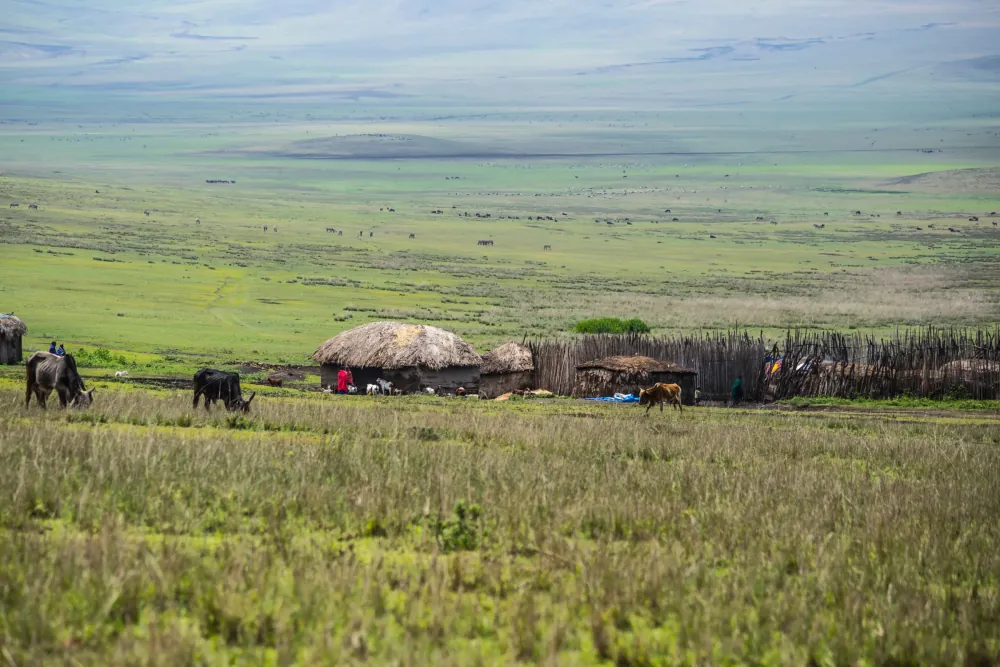
PLANNING
When to visit Tanzania
Month-by-month guide to the migration, the rains and the quiet shoulder seasons.
READ MORE →PHOTO PENDING
PLANNING
Tanzania Travel Advice
Practical advice on money, connectivity, safety and what to expect on arrival.
READ MORE →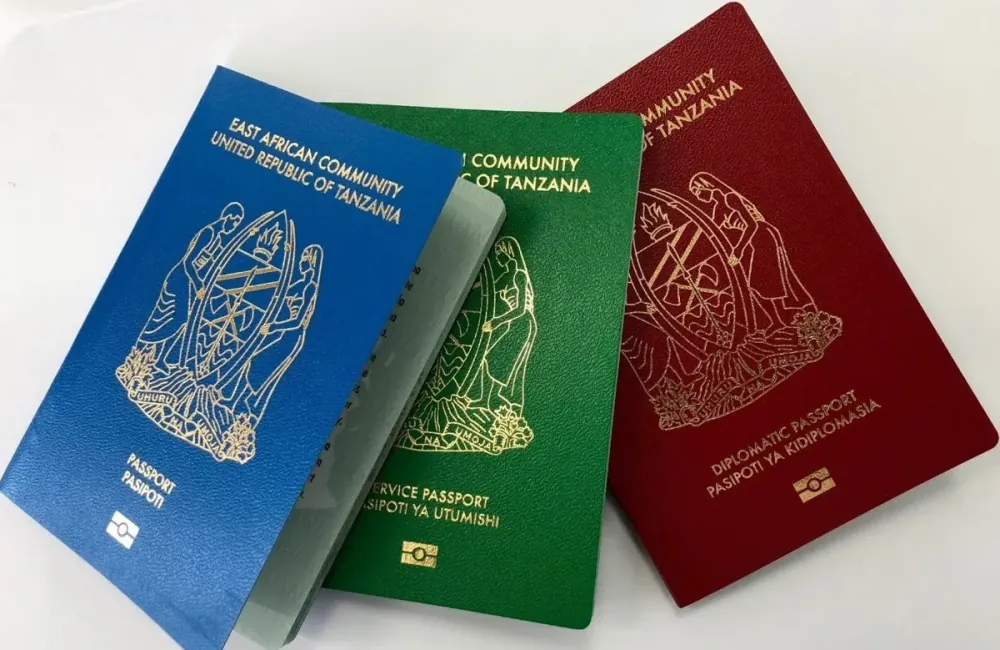
BEFORE YOU FLY
Tanzania Visa
How to apply online, what it costs and which nationalities need a referral visa.
READ MORE →PHOTO PENDING
SAFETY
Flying Doctors Services
Emergency air evacuation cover, included on every Blue Monkey itinerary.
READ MORE →PHOTO PENDING
OUR PRACTICE
Responsible Travel
How your trip supports wildlife conservation, porters and local communities.
READ MORE →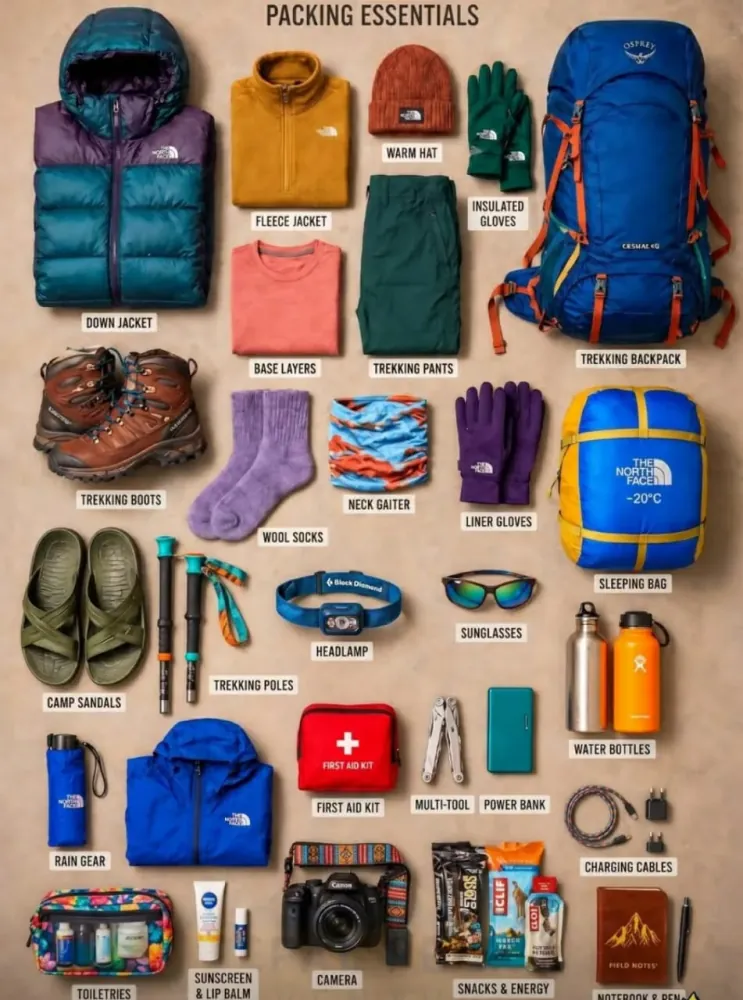
PACKING
Before your Safari
Packing list, vaccinations, camera advice and how to prepare for altitude.
READ MORE →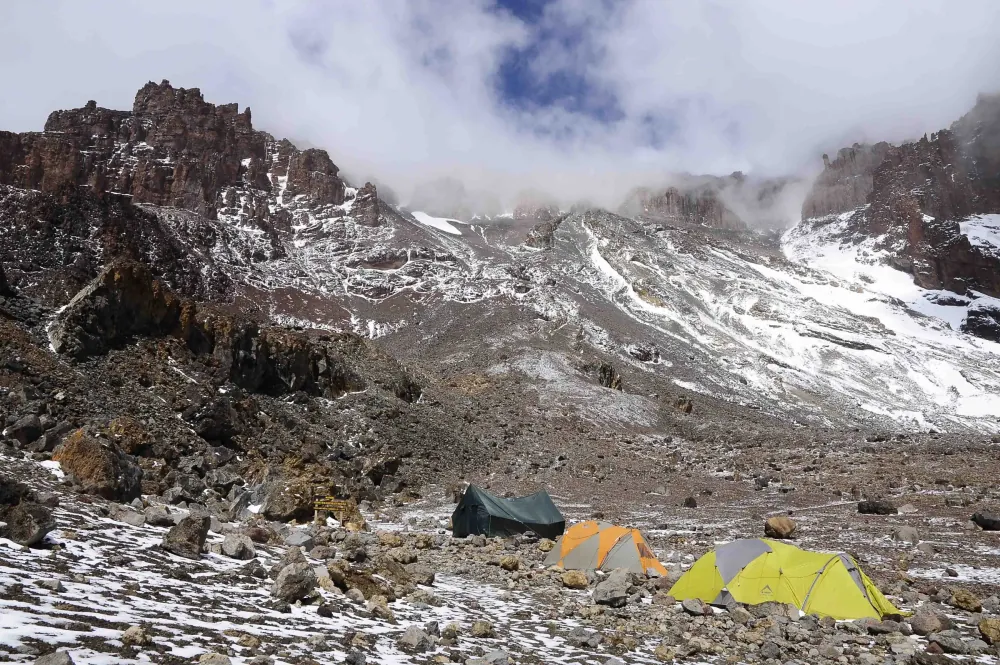
PLANNING
Tanzania Weather
Temperature and rainfall on the mountain, in the parks and on the coast.
READ MORE →Practical detail
MONEY
Cash, cards and tipping
The shilling is the local currency but US dollars are accepted everywhere tourists go. Bring dollar notes dated 2009 or later.
- •Cards work in Arusha, Moshi and Stone Town, rarely in the parks
- •ATMs dispense shillings; withdraw in Arusha before you travel
- •Carry small notes for tips, drinks and village fees
HEALTH
Vaccinations and altitude
Yellow fever proof is required if you arrive from an endemic country. Malaria prophylaxis is strongly recommended for the parks and coast.
- •See a travel clinic six weeks before departure
- •Bring Diamox only after speaking to your doctor
- •Flying Doctors evacuation cover is included on every trip
CONNECTIVITY
Phone and internet
Buy a Vodacom or Airtel SIM at the airport for a few dollars; data coverage is good in towns and patchy in the parks.
- •Most lodges have wifi in public areas
- •No signal on much of Kilimanjaro above Shira
- •Vehicles have charging sockets for phones and cameras
GETTING THERE
Flights and transfers
Kilimanjaro International (JRO) is the airport you want; it is 45 minutes from our office and served from Amsterdam, Doha, Istanbul, Addis and Nairobi.
- •We meet every arrival, day or night
- •Dar es Salaam works but adds a domestic flight
- •Internal flights to the Serengeti and Zanzibar are easy to add
VISA
Entry requirements
Most nationalities apply online for an e-Visa before travel. It costs $50, or $100 for US citizens, and takes up to ten working days.
- •Passport valid six months beyond arrival
- •Two blank pages required
- •Some nationalities need a referral visa — ask us early
CLIMATE
What to expect
Arusha sits at 1,400m and is mild all year. The crater rim is cold at night, the parks are hot by midday and the coast is humid.
- •Long rains: late March to May
- •Short rains: November
- •Kilimanjaro summit night: −10°C to −20°C
Packing list
Safari clothing
- •Neutral colours, avoid blue and black
- •Long sleeves and trousers for dusk
- •Fleece for early mornings and the crater rim
- •Wide-brim hat and sunglasses
- •Light rain jacket
Kilimanjaro layers
- •Four-season sleeping bag (rentable)
- •Insulated down jacket
- •Waterproof shell and trousers
- •Broken-in waterproof boots
- •Gloves, balaclava, warm hat
Health & documents
- •Passport valid six months beyond travel
- •Yellow fever certificate if applicable
- •Malaria prophylaxis and repellent
- •High-factor sun cream and lip balm
- •Travel insurance with altitude cover
Useful extras
- •Binoculars, one pair per person
- •Camera with spare batteries
- •Power bank and universal adapter
- •Head torch
- •Small USD notes for tips
Frequently asked
For the August to October river crossings or a festive-week departure, six to nine months. For most other months, three to four months is comfortable. We can often still build something good at four to six weeks’ notice, though lodge choice narrows.
Every Blue Monkey safari is private as standard: your own guide, your own 4×4 and your own pace. Because we are locally owned and run our own vehicles, a private trip usually costs about the same as a shared seat-in-vehicle tour sold overseas.
Park and conservation fees, a private 4×4 with a pop-up roof, a professional guide, accommodation as listed, full board while on safari, airport transfers, bottled water and Flying Doctors emergency evacuation cover. International flights, visas, insurance, drinks and tips are not included.
You need to be able to walk five to seven hours a day for several days. There is no technical climbing on any of our routes. Altitude, not fitness, decides most summits, which is why we recommend the seven or eight-day Lemosho itineraries for first-time trekkers.
Yes. The northern circuit and Zanzibar are well established tourist areas and our guides stay with you throughout. We brief you on the usual sensible precautions in Arusha and Stone Town, and every itinerary carries emergency evacuation cover.
Yellow fever proof is required if you arrive from a country where it is endemic. Malaria prophylaxis is strongly recommended for the parks and the coast; speak to a travel clinic six weeks before departure. Routine vaccinations should be up to date.
A 30% deposit confirms your dates, lodges and permits. The balance is due 30 days before arrival, or on arrival in cash for some itineraries. We accept bank transfer and card, and quote in US dollars.
That is most of what we do. A typical two-week trip runs a seven-day climb, two nights of recovery in Arusha, then a short safari or a beach week in Zanzibar. We handle the internal flights and transfers between all three.
As a guide: $20–25 per day for a safari driver-guide, and roughly $250–320 per climber split across the mountain crew on a Kilimanjaro trek. Tips are never expected, and we will give you a written breakdown before you travel.
Yes. We run family safaris with child seats, shorter driving days and family rooms, and our cooks handle vegetarian, vegan, halal, gluten-free and allergy requirements on safari and on the mountain.